 how-to
7 Benefits of Peer-Based Recovery Coaching That Stick
Last Updated: October 25, 2026
Quick Summary
Peer-based recovery coaching works because trust forms fast when your coach has lived through substance use disorder and built sustained recovery. It reduces relapse risk, keeps you engaged in treatment, and rebuilds the connections that isolation and stigma have narrowed.
- A coach catches warning signs early, before a slip becomes a return to use.
- Peer support reduces stigma by making honest disclosure cheaper and keeping contact regular.
- Ask for a written agreement covering contact hours, fees, privacy, and what coaching is not.
- Therapy treats clinical conditions while a coach supports daily recovery goals and accountability.
- Call 911 or the 988 Suicide and Crisis Lifeline for emergencies, never wait on a coaching session.
Table of Contents
- Why Peer-Based Recovery Coaching Works When Other Support Falls Short
- The 7 Core Benefits of Peer-Based Recovery Coaching
- How Peer Recovery Support Services Reduce Isolation and Stigma
- Peer Recovery Coach Responsibilities: What the Work Actually Looks Like
- Peer Recovery Coaching vs Therapy: Where Each One Helps
- Choosing a Peer Recovery Coach: Credentials, Boundaries, and Fit
- Who Benefits Most, Who May Need More, and When to Call Emergency Services
- Start the Conversation With RBM Professional Services
- Frequently Asked Questions
Why Peer-Based Recovery Coaching Works When Other Support Falls Short
Peer-based recovery coaching is one-on-one support from a trained coach who has lived through substance use disorder and built sustained recovery.
Here is the part most people miss. Clinical care treats the crisis. The Substance Abuse and Mental Health Services Administration recognizes peer support as a core part of recovery-oriented care for exactly this reason.
Below, we break down the seven benefits of peer-based recovery coaching, plus how to choose a coach and when to look elsewhere. Keep reading if you have ever left a meeting or a discharge appointment wondering, "What now?"
The 7 Core Benefits of Peer-Based Recovery Coaching
The benefits fall into two groups: what happens to your recovery, and what happens to you as a person. Both matter, and they reinforce each other.
Reduced Relapse Risk and Longer Sustained Recovery
Consistent peer contact keeps relapse prevention in view between meetings and appointments. Many people in early recovery find that a coach catches warning signs before a slip becomes a return to use. A coach checks in, notices changes in your language, and asks the hard question early. For a deeper look at why ongoing support sustains recovery after treatment ends, read why long-term support is the key to long-term recovery.
Stronger Treatment Engagement and Retention
A coach keeps you connected to the treatment process instead of drifting away from it. They help you keep appointments, understand your care plan, and speak up when something is not working. Treatment retention improves when someone walks beside you rather than handing you a schedule.
Hope, Role Modeling, and Seeing Recovery as Possible
Hope is not a slogan in peer work. It is a person sitting across from you who has been where you are and stayed well. Role modeling does what no pamphlet can: it shows sustained recovery as a real, lived outcome rather than an abstract goal.
How Peer Recovery Support Services Reduce Isolation and Stigma
Isolation feeds addiction, and stigma keeps people isolated. Peer recovery support services break that loop through a specific mechanism: repeated, low-stakes contact with someone who shares the label you are trying to outrun. The power gap that makes clinical settings feel risky is gone, so people say the true thing earlier.
Here is how that plays out in practice, and why it matters beyond feeling better.
The mechanism: disclosure without penalty
Stigma works by making disclosure costly. Tell a landlord, an employer, or a new provider about a substance use history and you risk losing housing, a job, or a referral.
Most practitioners find that this is why people in early recovery often tell a peer before they tell a clinician. The peer is not evaluating them for a diagnosis, a bed, or a court report.
What reduced isolation looks like week to week
Isolation is not just being alone. It is the shrinking of the people you can be honest with. Peer support rebuilds that circle in concrete ways:
- A standing check-in. A weekly call or coffee gives the week a fixed point of contact, so a bad stretch does not go unspoken for a month.
- Practice conversations. A coach helps you rehearse how to tell a family member, an employer, or a prescriber about your recovery, so disclosure stops being an all-or-nothing gamble.
- Reentry into group settings. Many people avoid mutual-aid meetings because of shame or past bad experiences. A coach can walk you into a first meeting, introduce you to one person, and debrief afterward.
Stigma inside services, not just outside
Stigma does not stop at the clinic door. People report being talked over in emergency departments, treated as unreliable in benefits offices, or handed a schedule with no explanation. A coach can help you prepare for those encounters: what to bring, what to ask, what to do when a staff member is dismissive. That is not legal advice, but it is practical navigation, and it is one of the clearest differences between peer support and a pamphlet.
If isolation has already narrowed your world to a few people, that is not a character flaw, it is a predictable response to stigma. The fix is contact, and contact is what peer coaching is built to provide.
Peer Recovery Coach Responsibilities: What the Work Actually Looks Like
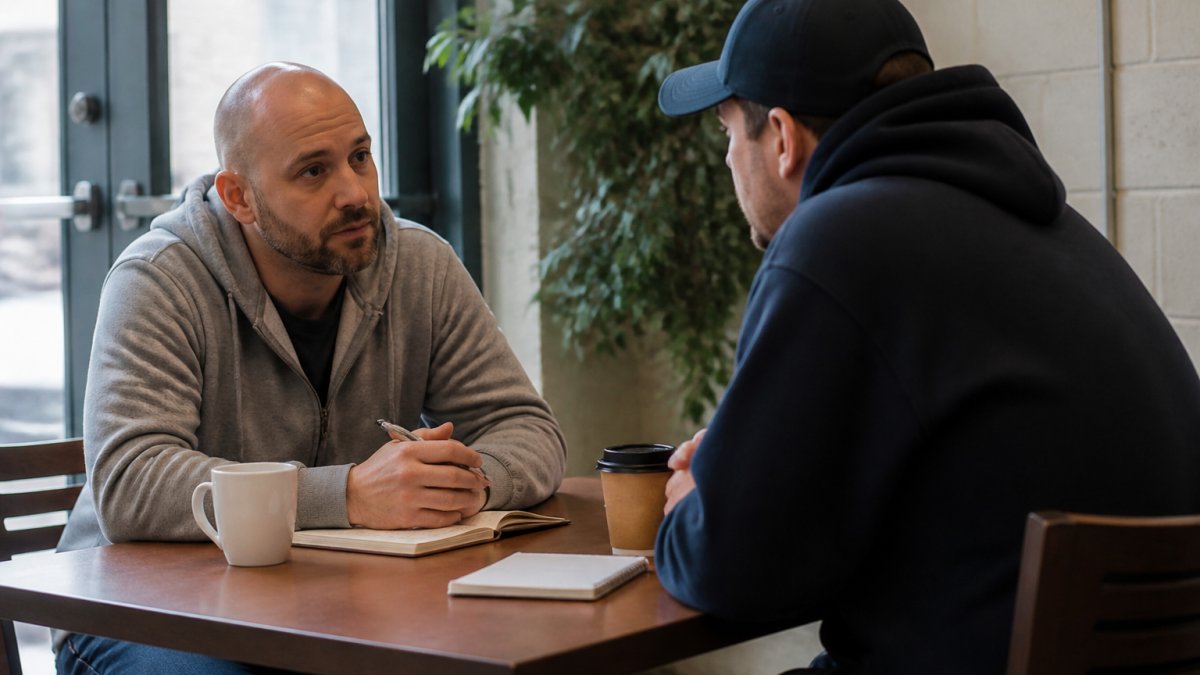
A peer recovery coach helps you set recovery goals, build recovery capital, and stay accountable to a plan you shaped yourself.
Most competitors describe the role in a sentence. Here is what it actually looks like, including how to start and where the boundaries sit.
The first month, step by step
A common pattern in peer coaching looks like this:
- Intake and fit conversation. You and the coach talk about where you are, what you have tried, and what you want. This is also where you decide whether the fit works. A good coach will tell you if they are not the right match.
- Goal setting. You name two or three goals that matter to you, not the ones on a form. Common examples: get to a first mutual-aid meeting, repair one family relationship, keep a housing appointment, or build a morning routine that does not start with a craving.
- A written agreement. Before regular sessions begin, ask for a written agreement covering contact hours, fees, privacy, and what coaching is not. If a coach will not put boundaries in writing, that is a warning sign.
- A regular rhythm. Weekly check-ins by phone or in person are typical. Between sessions, the coach may help with a specific task: finding a recovery meeting, preparing for a benefits appointment, or drafting what to say to a family member.
- Review and adjust. Every few weeks, you and the coach look at what is working. Goals change. A coach who never revisits the plan is not coaching, they are chatting.
What the coach does, and does not do
Day to day, the work is practical:
- Weekly check-ins by phone, video, or in person
- Help finding housing, work, transportation, and recovery resources
- Support at appointments and coordination with treatment providers, with your written consent
A common mistake is expecting a coach to act as a therapist or crisis line. They do not. Coaches are trained in boundaries and supervision for exactly this reason. A coach should not diagnose, prescribe, provide legal advice, or manage your medications. When a need falls outside the role, the coach refers, and a good one refers quickly.
How to prepare for a first meeting
You do not need a perfect plan. Bring three things: a short history of what you have tried, one goal you actually care about, and one question you are afraid to ask. The last one is usually where the work starts. Our courses show the skills this work requires, and you can contact us with questions about what coaching involves.
Peer Recovery Coaching vs Therapy: Where Each One Helps
Therapy and peer coaching do different jobs, and the strongest recovery plans use both. A therapist treats clinical conditions such as opioid use disorder, depression, or trauma. A coach supports the daily life of recovery: accountability, motivation, connection, and practical next steps.
| Support type | Main focus | Led by |
|---|---|---|
| Therapy | Clinical treatment and diagnosis | Licensed clinician |
| Peer recovery coaching | Daily recovery goals and accountability | Certified peer coach |
| Sponsorship | Mutual-aid step work | Volunteer sponsor |
| Case management | Benefits, housing, services access | Agency staff |
| Mutual-aid groups | Community support and shared experience | Peer group |
Watch out: relying on a coach for clinical symptoms delays real care. If you need a therapist, say so to your coach. A good one will agree.
Choosing a Peer Recovery Coach: Credentials, Boundaries, and Fit
Look for three things: recognized certification, clear ethical boundaries, and a fit you can feel in the first conversation. Certification varies by state, so ask directly which credential your coach holds and who supervises them.
Then ask the practical questions:
- Does the coach keep contact within set hours and clear limits?
- Do they coordinate with your treatment providers, with your consent?
- Is there a written agreement covering fees, privacy, and what coaching is not?
Many people ask whether coaching is worth the investment while rebuilding finances. Pricing depends on scope and format, so ask for a written quote before you start.
Who Benefits Most, Who May Need More, and When to Call Emergency Services
Peer coaching fits people in early recovery, those leaving treatment, and family members who need honest guidance. It also suits anyone who wants structure without a clinical setting.
Some people need more than coaching. Active withdrawal, severe mental health symptoms, or immediate danger call for clinical or emergency care. Call 911 or the 988 Suicide and Crisis Lifeline if someone is in crisis.
Start the Conversation With RBM Professional Services
Recovery is easier when someone who has been there walks beside you. That is the whole idea behind peer-based recovery coaching, and it is what we built RBM Professional Services around: lived experience, honest communication, and people-first support.
You do not need a perfect plan to start. You need one honest conversation. Contact us to learn more about how peer-based coaching works and get started.
Frequently Asked Questions
What are the benefits of peer-based recovery coaching?
Peer-based recovery coaching offers several practical benefits: lower relapse risk, stronger treatment engagement and retention, reduced isolation, and a sense of hope from seeing someone with lived experience who is doing well. A coach also provides accountability and motivation between meetings and appointments, helps you build recovery capital, and connects you to community support and recovery resources. Because the relationship is nonjudgmental and grounded in shared experience, many people find it easier to be honest about cravings and setbacks, which makes early intervention more likely.
What is the difference between a peer recovery coach and a therapist?
A therapist is a licensed clinician who diagnoses and treats mental health and substance use conditions using clinical methods. A peer recovery coach is someone with lived experience of substance use disorder who provides nonclinical support: accountability, encouragement, practical goal-setting, and connection to recovery resources. The two work best together. Peer recovery coaching vs therapy is not a competition; coaching supports the recovery journey day to day, while therapy addresses clinical needs. If you are unsure which fits your situation, ask about care coordination between the two.
How do I find a qualified peer recovery coach?
Start by asking treatment providers, recovery community organizations, and mutual aid groups for referrals. When choosing a peer recovery coach, ask about state or national peer certification, supervision, training hours, and how they handle ethical boundaries such as confidentiality and dual relationships. Ask what their coaching sessions look like and whether they coordinate with your clinical team. A good coach is clear about what they can and cannot do, and will refer you to emergency services or a clinician when your needs exceed peer support.
Can peer recovery coaching help prevent relapse?
Peer coaching supports relapse prevention by providing accountability, early check-ins, and practical coping strategies between formal treatment sessions. A coach can help you recognize warning signs, build a relapse prevention plan, and reconnect you to treatment quickly if you slip. It is not a substitute for clinical care in an emergency. If you are in crisis or at immediate risk, call or text 988 or contact emergency services. For ongoing support, peer coaching works best alongside therapy, treatment, and community support.
If you or someone you love is ready to take the next step, we are here. Get started with RBM Professional Services and build a recovery plan that lasts.